

- Site Navigation -

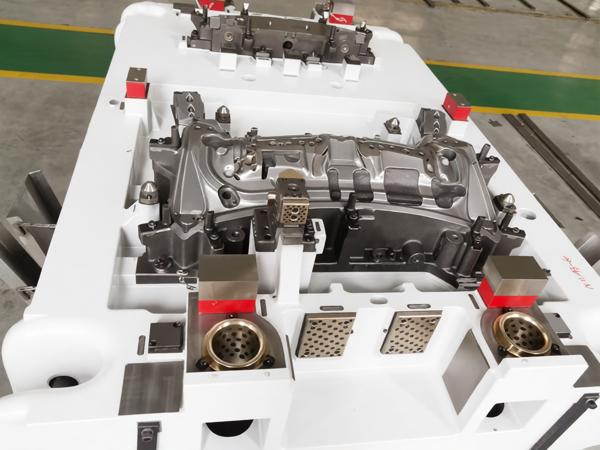
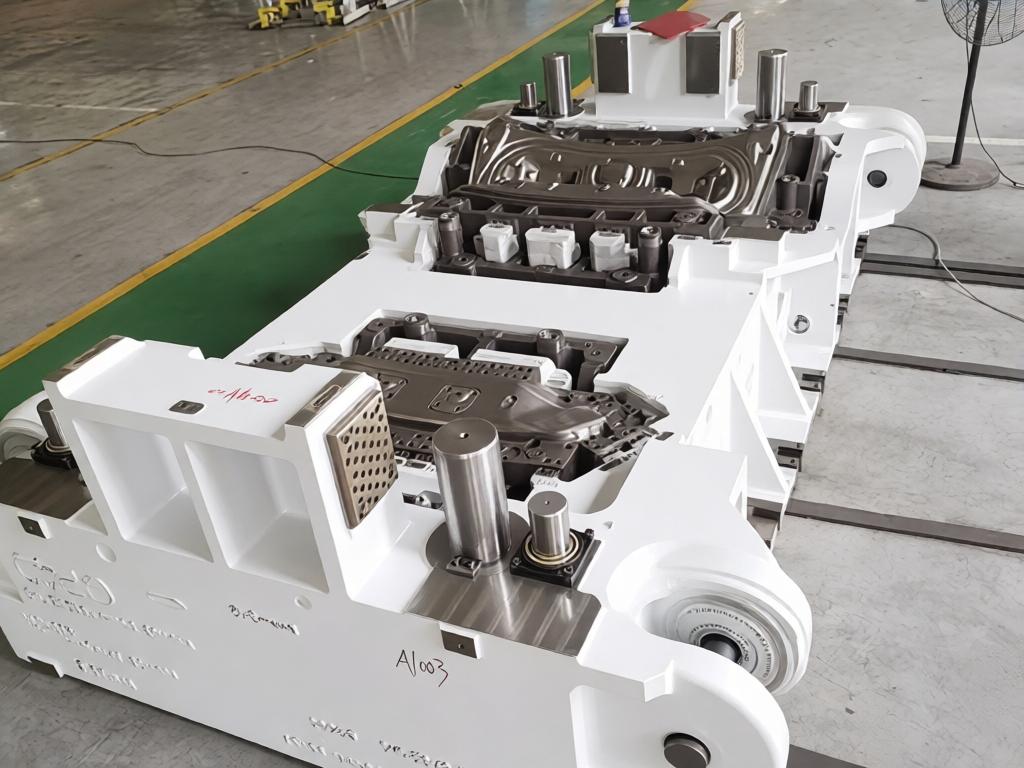
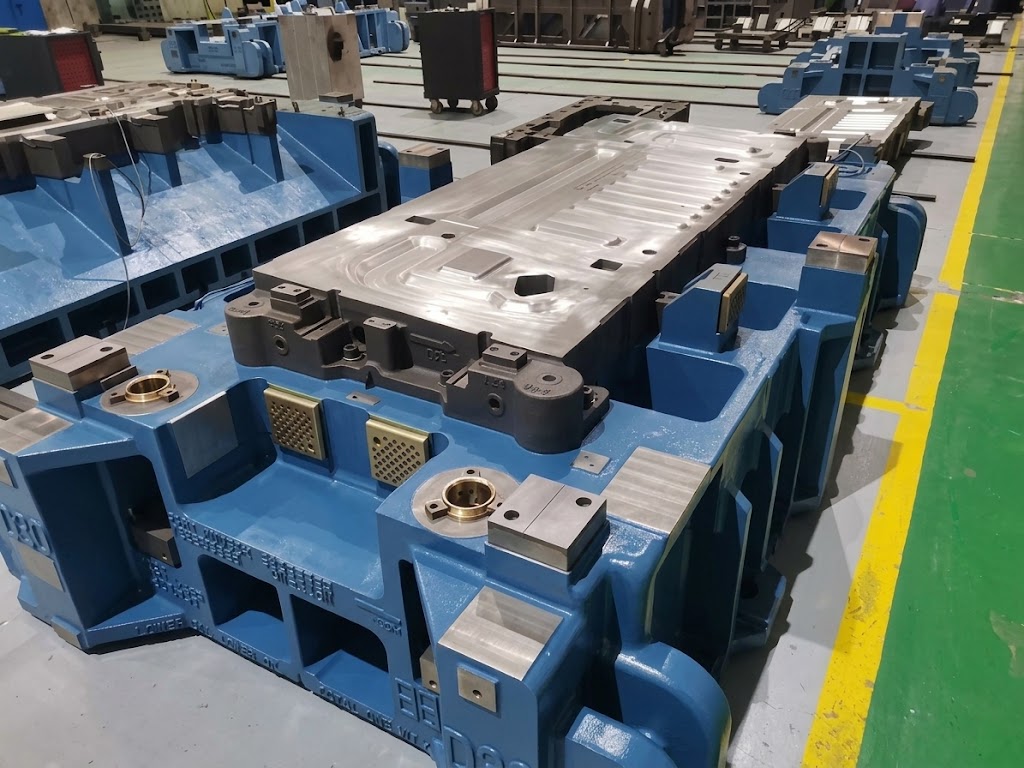
How often should stamping dies be inspected and maintained?
Date: 2026-09-21 11:00:14 Author: Haoxinran Views: 200 times
How often should stamping dies be inspected and maintained?
Regular inspection and maintenance represent critical aspects of stamping die management, directly influencing die life, part quality consistency, and overall production efficiency. Establishing appropriate maintenance schedules and inspection routines prevents unexpected failures and maintains consistent production quality. This FAQ provides comprehensive guidance on stamping die maintenance frequency and procedures.
Importance of Regular Maintenance
Proper die maintenance offers several important benefits:
Extends overall die service life
Maintains consistent part quality
Prevents unexpected production downtime
Reduces repair costs through early problem detection
Ensures operator safety through well-maintained equipment
Maintenance Frequency Guidelines
Maintenance frequency depends on several factors including production volume, material type, die complexity, and quality requirements. Typical maintenance schedules include:
Daily / Per-Shift Checks
Visual inspection for obvious damage or wear
Lubrication of guide mechanisms and moving parts
Cleaning of die surfaces to remove material buildup
Check for loose fasteners or components
Verify proper operation of stripper mechanisms
Weekly / Per-Week Inspections
Cutting edge wear assessment
Guide pin and bushing condition check
Spring force and condition verification
Cooling system performance check (for hot stamping)
Overall alignment and condition assessment
Monthly / Periodic Maintenance
Comprehensive dimensional inspection of critical features
Resharpening of cutting edges as needed
Surface condition assessment and polishing
Cooling system cleaning and flushing
Wear part replacement (springs, guide components)
Major Overhaul / Annual
Complete die disassembly and inspection
Wear measurement and component replacement
Full dimensional verification and recalibration
Surface treatment refreshment
Comprehensive functional testing
Factors Influencing Maintenance Frequency
Several factors determine appropriate maintenance intervals:
Production Volume: Higher volumes require more frequent maintenance
Material Type: Abrasive materials accelerate wear requiring more attention
Die Complexity: Complex dies with intricate features need closer monitoring
Quality Standards: Higher quality requirements demand more frequent inspection
Material Coating: Galvanized or coated materials can cause accelerated die wear
Key Inspection Points
Important areas to inspect include:
Cutting Edges: Wear, chipping, and edge condition
Forming Surfaces: Scratches, galling, material pickup
Guide Systems: Pin and bushing wear, alignment accuracy
Stripper Mechanisms: Spring force, stripper plate flatness
Fasteners: Tightness and condition of mounting hardware
Cooling Systems: Flow rates, temperature control, leak checks
Record Keeping
Maintaining comprehensive maintenance records helps optimize schedules and track die performance over time. Important records include:
Production counts between maintenance intervals
Wear measurements and trends
Repair history and component replacements
Quality data and defect rates
Maintenance personnel and dates
Frequently Asked Questions
Q: How do I know when cutting edges need resharpening?
A: Indicators include increasing burr size on cut edges, visible edge wear under magnification, or dimensional drift in cut positions compared to nominal values.
Q: Can over-maintenance cause problems?
A: Yes, excessive disassembly and reassembly can introduce alignment issues. Maintenance should be systematic and based on actual wear conditions rather than arbitrary frequency alone.
Q: What is the typical die life before major overhaul?
A: Depending on application, a production stamping die may require major overhaul after hundreds of thousands to millions of cycles, with routine maintenance extending usable life.
Conclusion
Establishing appropriate inspection and maintenance schedules is essential for maximizing die performance and longevity. By following systematic maintenance procedures and adapting schedules based on actual production conditions, manufacturers can achieve consistent quality and optimal die life.
References
Stamping Die Maintenance Guidelines - Manufacturing Industry Standards
Tooling Preventive Maintenance Programs - Engineering Best Practices
Die Wear Management - Maintenance Engineering Publications

Contact Us
- Company Name: Hebei Haoxinran Machinery Manufacturing Co.,Ltd.
- Hotline: +86 18932785670
- Email: project@haoranmj.com
- Website: https://www.hxrmetal.com
- Address: Across from Sanjing Distillery on Road 4, Botou Economic Development Zone, Cangzhou City, Hebei Province


Copyright © 2026-2027 https://www.hxrmetal.com. All Rights Reserved. Hebei Haoxinran Machinery Manufacturing Co.,Ltd.