

- Site Navigation -

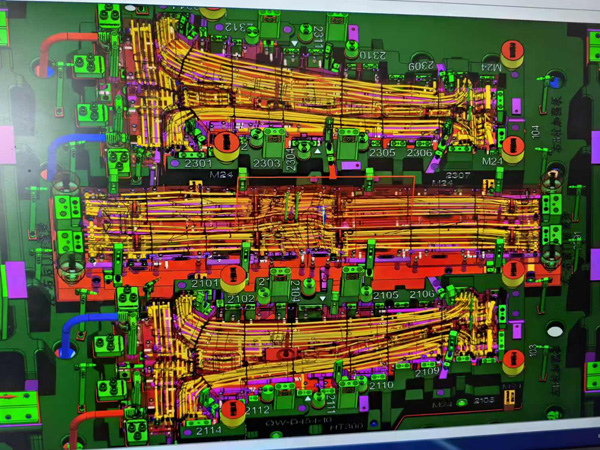
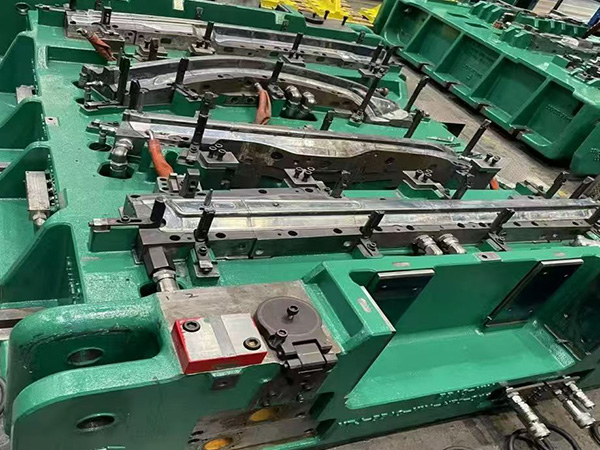
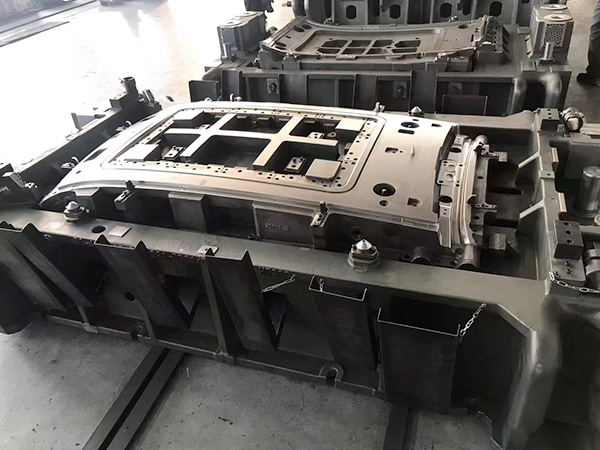
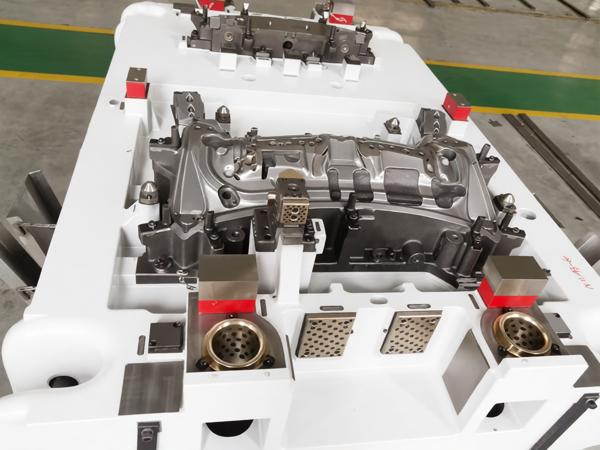
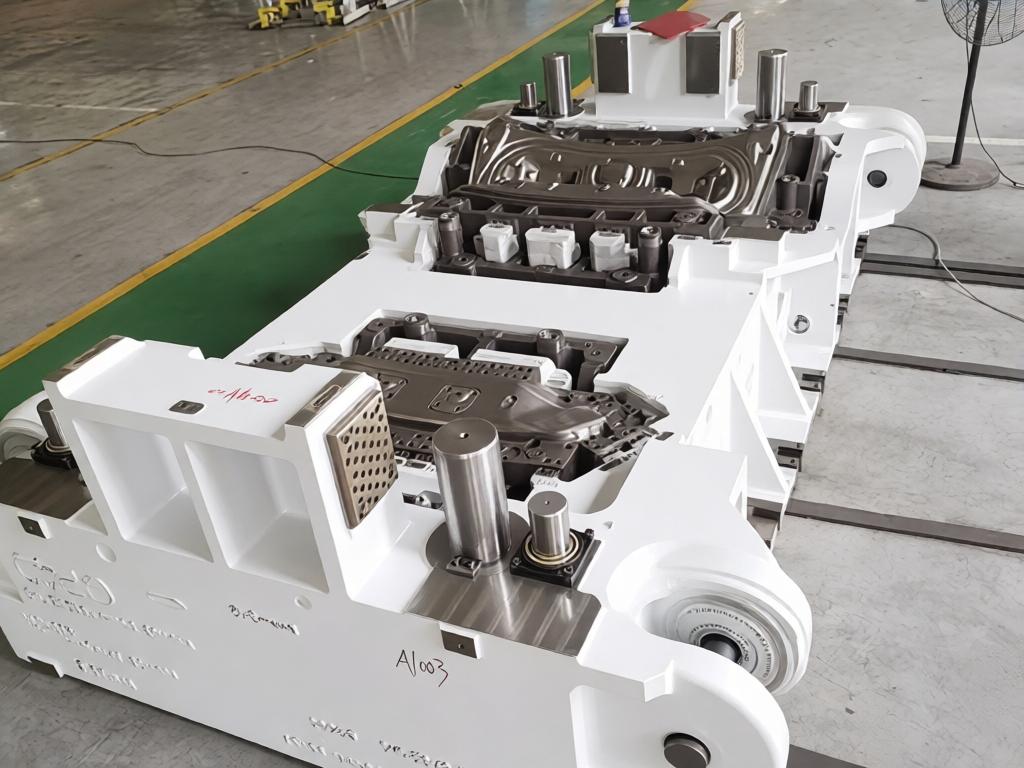
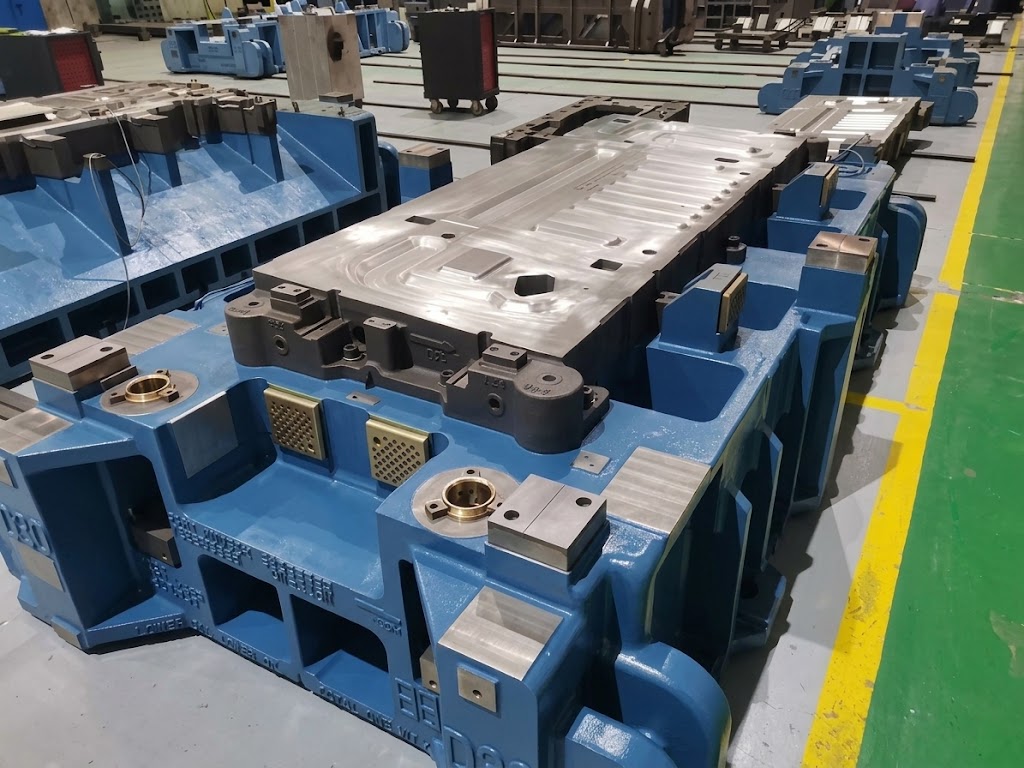
Automotive Door Ring Stamping Process and Die Technology Overview
Date: 2026-09-21 10:58:52 Author: Haoxinran Views: 187 times
Automotive Door Ring Stamping Process and Die Technology Overview
The automotive door ring represents a critical structural component that integrates multiple safety functions within a single stamped assembly. As a key element of the vehicle's occupant protection system, the door ring must meet stringent structural performance requirements while maintaining dimensional accuracy for proper assembly. This document provides a comprehensive overview of door ring stamping technology and die design principles.
Door Ring Function and Requirements
1. Structural Safety Functions
The door ring serves multiple critical safety functions including:
Side impact intrusion resistance
Roof crush protection integration
Door attachment structural support
Crash energy absorption and distribution
These safety requirements impose specific material property and geometric constraints on the stamping process and die design.
2. Material Selection
Modern door rings commonly use hot-stamped boron steel (22MnB5) due to its exceptional strength-to-weight ratio and ability to achieve martensitic microstructure after hot stamping. Alternative materials include dual-phase steels and tailored welded blanks with varying material properties across different sections.
Hot Stamping Process Technology
Process Flow
The door ring hot stamping process follows these key steps:
Blank preparation: Laser cutting of tailored blanks with precise geometry
Heating: Austenitizing furnace heating to approximately 930°C
Transfer: Rapid transfer to stamping press to minimize heat loss
Forming and quenching: Simultaneous forming and cooling in the die
Trimming and piercing: Post-forming secondary operations
Die Cooling System Design
Cooling channel design within the die is critical for achieving proper material properties. Key design considerations include:
Uniform cooling distribution across the entire component
Controlled cooling rates for optimal martensitic transformation
Thermal fatigue resistance in die material selection
Sealing and maintenance access for cooling systems
Cold Stamping Alternative
For lower volume applications or specific material requirements, cold stamping of door rings using advanced high-strength steels offers advantages including:
Lower equipment investment requirements
Faster cycle times without heating steps
Simpler die design without cooling systems
Wider material selection flexibility
However, cold stamping presents greater springback challenges and limited achievable strength levels.
Die Design Optimization
Geometry Optimization
Door ring die design must optimize geometry for both forming feasibility and structural performance. Key design features include draw radii optimization, flange profile design, and hole placement strategic planning.
Springback Control
For cold-stamped door rings, springback control strategies include geometric compensation, multi-stage restrike operations, and material property variation compensation.
Quality Assurance
Door ring quality control includes dimensional inspection, material property verification, microstructure analysis, and mechanical performance testing. Safety-critical components require 90% inspection or statistical process control monitoring.
Conclusion
Door ring stamping technology continues to evolve with advances in material science and process engineering. Whether using hot stamping or cold stamping approaches, successful die design requires deep understanding of material behavior, structural performance requirements, and precision manufacturing processes.
References
Automotive Structural Component Stamping Guidelines - Industry Standards
Hot Stamping Die Design Technology - Engineering Research Publications
Boron Steel Forming Process - Material Science Research
Door Ring Crash Performance Standards - Automotive Safety Guidelines

Contact Us
- Company Name: Hebei Haoxinran Machinery Manufacturing Co.,Ltd.
- Hotline: +86 18932785670
- Email: project@haoranmj.com
- Website: https://www.hxrmetal.com
- Address: Across from Sanjing Distillery on Road 4, Botou Economic Development Zone, Cangzhou City, Hebei Province


Copyright © 2026-2027 https://www.hxrmetal.com. All Rights Reserved. Hebei Haoxinran Machinery Manufacturing Co.,Ltd.