

- Site Navigation -

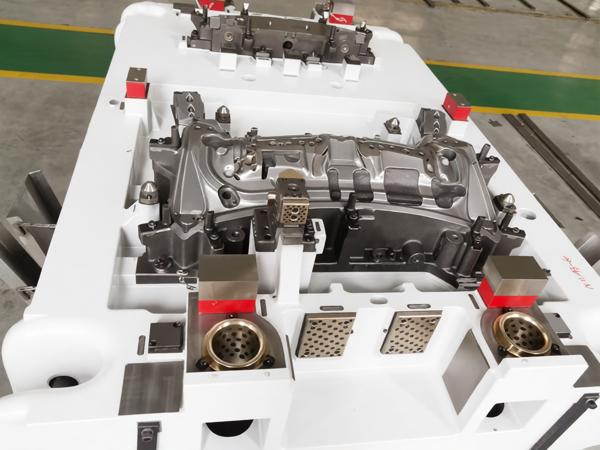
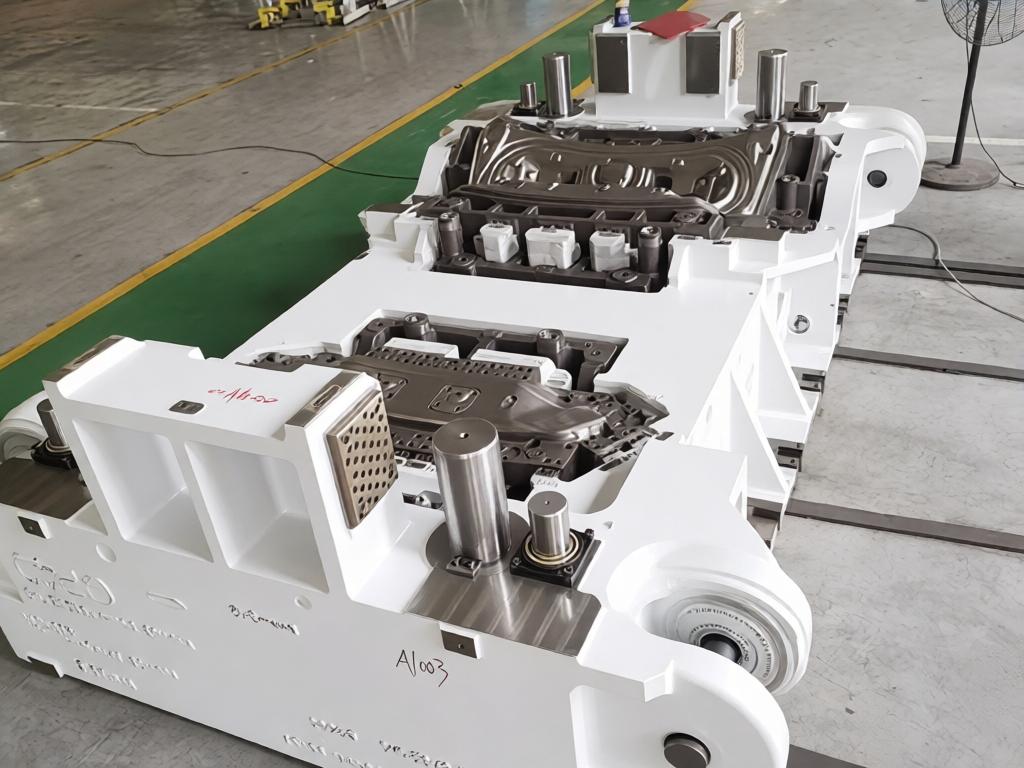
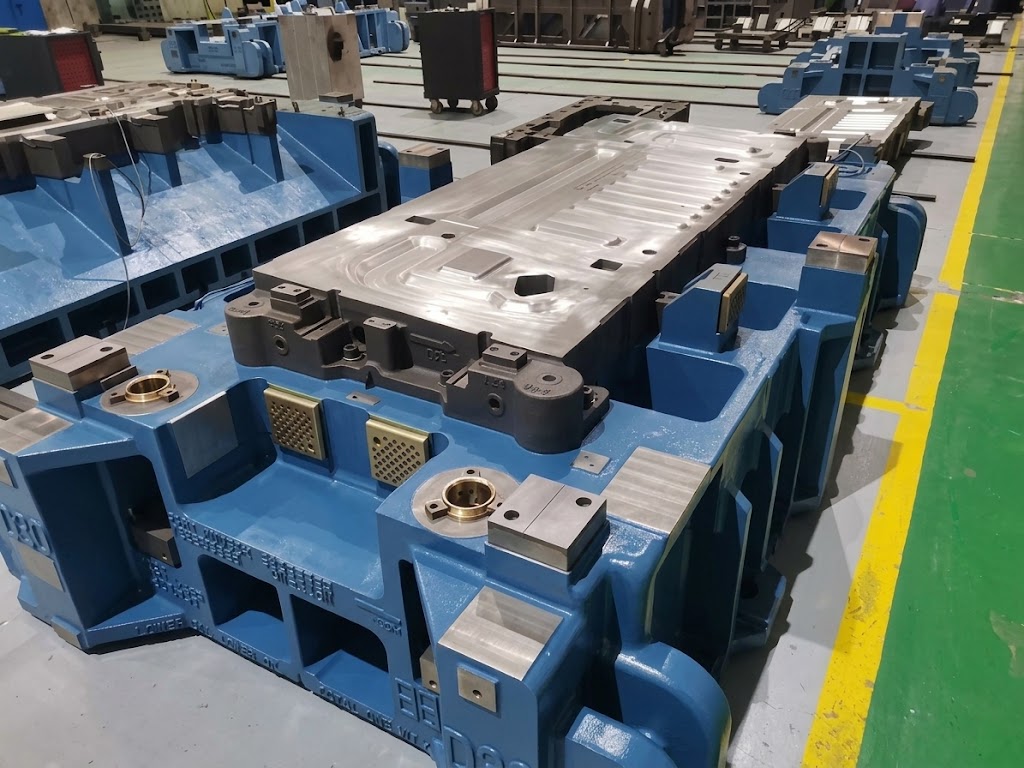
Trimming Die Design Precision for Automotive Structural Components
Date: 2026-09-21 10:58:28 Author: Haoxinran Views: 191 times
Trimming Die Design Precision for Automotive Structural Components
Trimming operations represent critical finishing steps in automotive stamping processes, directly influencing component dimensional accuracy, edge quality, and assembly fit. Trimming die design requires exceptional precision to achieve clean, dimensionally accurate cuts that meet stringent automotive quality standards. This document explores trimming die design principles, precision requirements, and optimization strategies for automotive structural component production.
Trimming Process Fundamentals
1. Function and Purpose
Trimming dies remove excess material from stamped components to achieve final contour dimensions. This operation follows the drawing or forming process and prepares parts for subsequent operations such as flanging, piercing, or assembly. Trimming quality directly impacts part dimensional accuracy and assembly fit.
2. Key Performance Requirements
Automotive trimming operations must achieve:
Precise dimensional accuracy within tight tolerances
Clean, burr-free cut edges
Minimal part distortion during trimming
Consistent quality across production volumes
Long die service life with consistent performance
Trimming Die Design Principles
Shear Angle Optimization
Shear angle design influences cutting force requirements and cut edge quality. Proper shear angles reduce peak cutting forces, minimize noise and vibration, and produce cleaner cuts. The optimal shear angle depends on material thickness, strength, and production volume requirements.
Clearance Optimization
Clearance between punch and die cutting edges is critical for trimming quality. Optimal clearance depends on material type, thickness, and desired edge finish. Insufficient clearance causes excessive forces and die wear, while excessive clearance leads to burr formation and poor edge quality.
Support and Stripping Design
Proper part support during trimming prevents distortion and ensures accurate cuts. Stripper mechanisms hold the component firmly against the die surface while allowing clean material separation. Support design must account for the specific geometry and material characteristics of each component.
Precision Considerations
Dimensional Accuracy
Automotive structural components require precise trimming to meet assembly interface requirements. Key precision factors include:
Cut edge position accuracy relative to part features
Edge straightness and contour fidelity
Consistent edge quality along the entire trim line
Minimal angular deviation from desired trim angle
Edge Quality Requirements
Trim edge quality significantly impacts downstream operations and part performance. Requirements include:
Minimal burr height and width
Smooth edge surface finish
No material tearing or fracture defects
Consistent edge characteristics across production
Die Construction and Materials
Tool Material Selection
Trimming die materials must provide excellent wear resistance and edge retention. Common tool materials include:
High-carbon high-chromium tool steels for standard applications
High-speed steels for enhanced wear resistance
Carbide inserts for high-volume production applications
Surface treatments to enhance performance and longevity
Wear Compensation Design
Trimming dies incorporate wear compensation features to maintain dimensional accuracy throughout die service life. These features allow for periodic resharpening without compromising overall die geometry or performance.
Quality Control
Trimming quality control includes dimensional inspection, edge quality assessment, and burr measurement. Production monitoring tracks cutting edge wear and identifies maintenance requirements before quality degradation occurs.
Conclusion
Trimming die design requires meticulous attention to precision, material selection, and process optimization. By applying the design principles outlined in this document, manufacturers can achieve high-quality trimming operations that meet the stringent requirements of automotive structural component production.
References
Trimming Die Design Guidelines - Manufacturing Industry Standards
Precision Cutting Technology - Engineering Research Publications
Tool Steel Selection for Cutting Operations - Material Science Standards
Edge Quality Control in Stamping - Quality Engineering Guidelines

Contact Us
- Company Name: Hebei Haoxinran Machinery Manufacturing Co.,Ltd.
- Hotline: +86 18932785670
- Email: project@haoranmj.com
- Website: https://www.hxrmetal.com
- Address: Across from Sanjing Distillery on Road 4, Botou Economic Development Zone, Cangzhou City, Hebei Province


Copyright © 2026-2027 https://www.hxrmetal.com. All Rights Reserved. Hebei Haoxinran Machinery Manufacturing Co.,Ltd.