

- Site Navigation -

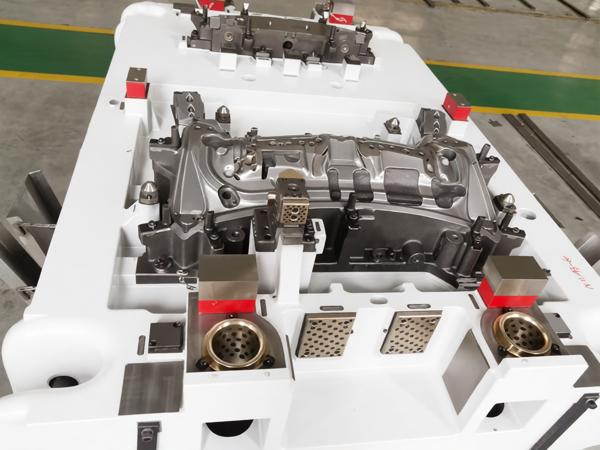
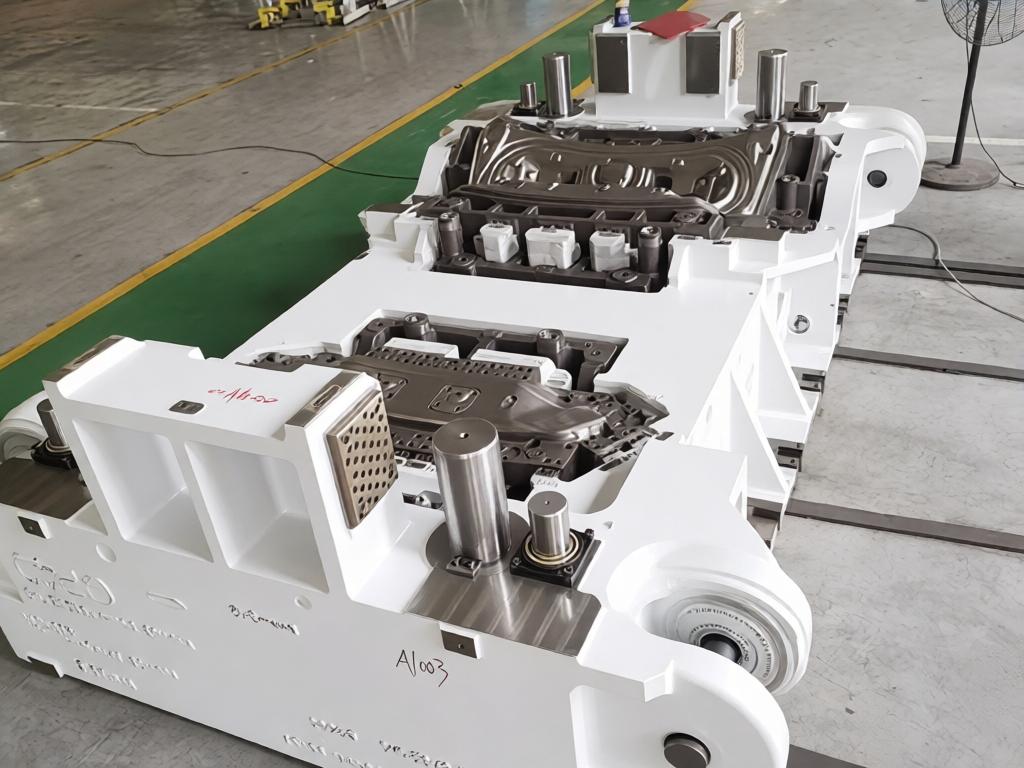
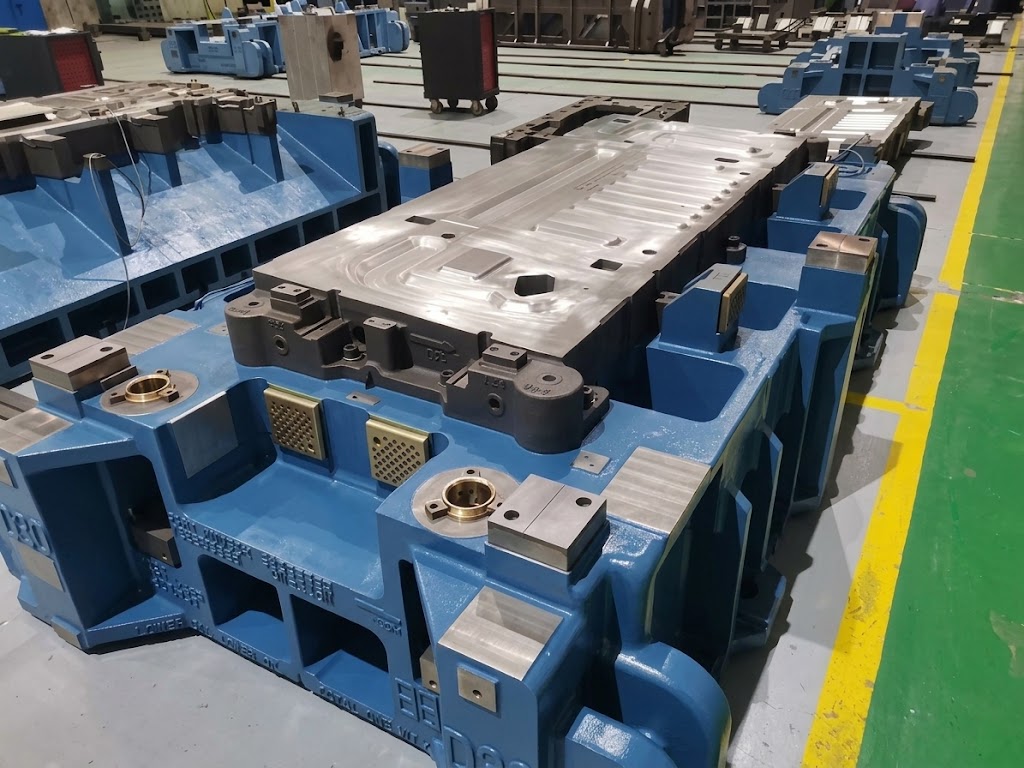
What is the difference between hot stamping and cold stamping dies?
Date: 2026-09-21 10:59:47 Author: Haoxinran Views: 149 times
What is the difference between hot stamping and cold stamping dies?
Hot stamping and cold stamping represent two fundamentally different manufacturing approaches for producing metal components, each with distinct advantages, limitations, and die design requirements. Understanding these differences is essential for selecting the appropriate technology for specific applications. This FAQ provides a comprehensive comparison of hot stamping and cold stamping die technologies.
Process Fundamentals
Cold Stamping Process
Performed at room temperature without pre-heating the material
Uses standard mechanical or hydraulic presses
Material undergoes plastic deformation through tooling contact
Springback remains a significant challenge for high-strength materials
Standard die materials without special thermal requirements
Hot Stamping Process
Material is heated to austenitizing temperature (typically 900-950°C) before forming
Forming occurs while the material is at elevated temperature
Simultaneous quenching within the die transforms material microstructure
Die incorporates integrated cooling channels for controlled quenching
Special tool materials required for high-temperature operation
Key Differences in Die Design
1. Cooling System Integration
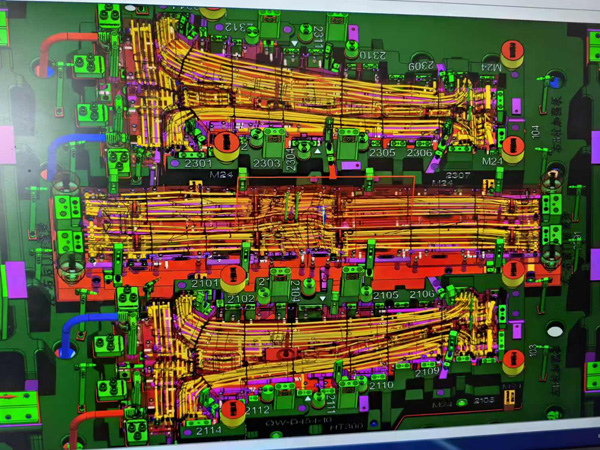
Hot stamping dies require sophisticated cooling channel systems distributed throughout the die structure. These channels circulate coolant to rapidly quench the formed component, achieving material property transformation. Cold stamping dies have no cooling requirements.
2. Tool Material Selection
Hot stamping dies use hot work tool steels (H11, H13) that maintain hardness at elevated temperatures and resist thermal fatigue. Cold stamping dies use a wider range of materials based on production volume and wear requirements.
3. Die Surface Treatment
Hot stamping dies require special surface treatments to resist scaling, oxidation, and thermal fatigue. Cold stamping dies use standard surface treatments based on wear and galling considerations.
4. Thermal Expansion Considerations
Hot stamping die design must account for thermal expansion of both the die material and the component material at elevated temperatures. Cold stamping operates at ambient temperatures with minimal thermal effects.
Performance Comparison
| Characteristic | Cold Stamping | Hot Stamping |
|---|---|---|
| Material Strength | Up to ~600 MPa | Up to ~1500 MPa+ |
| Springback | Significant challenge | Minimal due to quenching |
| Formability | Limited for complex shapes | Excellent for complex shapes |
| Cycle Time | Fast (seconds) | Slower (10-30 seconds) |
| Equipment Cost | Standard presses | Includes furnaces and cooling systems |
| Material Options | Wide range of materials | Primarily boron steels |
Application Suitability
Cold Stamping Preferred For:
Lower strength requirements
High production volumes with fast cycle times
Complex shallow geometries
Cost-sensitive applications
Components where weight reduction is less critical
Hot Stamping Preferred For:
High strength requirements for safety components
Complex deep-draw geometries
Weight reduction goals requiring ultra-high strength materials
Springback-sensitive applications
Structural and crash safety components
Frequently Asked Questions
Q: Which process is more expensive?
A: Hot stamping generally has higher initial equipment costs due to furnaces and specialized die design. However, it enables material strength levels impossible with cold stamping.
Q: Can the same press be used for both processes?
A: Generally no. Hot stamping requires specialized presses with cooling systems and integrated furnace handling, while cold stamping uses standard presses.
Q: What materials work with hot stamping?
A: Hot stamping primarily uses boron-alloyed steels (typically 22MnB5) that exhibit favorable quench hardening characteristics.
Conclusion
The choice between hot stamping and cold stamping depends on specific application requirements including material strength needs, geometric complexity, production volume, and cost constraints. Each technology offers unique advantages that make it suitable for different automotive component applications.
References
Hot Stamping Technology Guidelines - Manufacturing Industry Standards
Cold Forming Process Design - Engineering Research Publications
Automotive Component Manufacturing Comparison - Material Science Standards

Contact Us
- Company Name: Hebei Haoxinran Machinery Manufacturing Co.,Ltd.
- Hotline: +86 18932785670
- Email: project@haoranmj.com
- Website: https://www.hxrmetal.com
- Address: Across from Sanjing Distillery on Road 4, Botou Economic Development Zone, Cangzhou City, Hebei Province


Copyright © 2026-2027 https://www.hxrmetal.com. All Rights Reserved. Hebei Haoxinran Machinery Manufacturing Co.,Ltd.