

Automotive Stamping Dies Guide: Process Design, Tooling Structure and Materials
Date: 2026-11-07 11:49:48 Author: Haoxinran Views: 175 times
Behind every body panel, bracket and structural reinforcement lies a set of automotive stamping dies. For procurement teams and manufacturing engineers, the tooling package represents both a large capital commitment and a long-term production risk. Understanding how a die is designed, structured and built makes it far easier to evaluate quotations, ask the right technical questions and judge whether a proposed solution will survive years of serial production.
Step one: process design and operation sequence
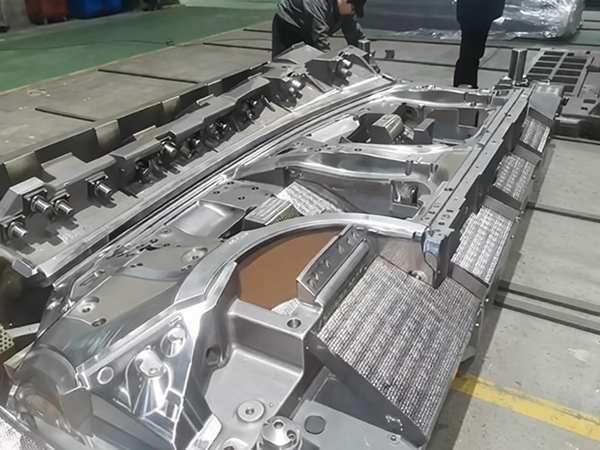
Die design begins with process design. The part geometry, material grade, thickness, press capability and required volume determine how many operations are needed and what each one does. A typical sequence includes blanking or cutting the blank, drawing or forming, trimming, piercing, flanging and restrike or calibration. Each operation is defined by the metal flow it allows, and each interface between operations is defined by how the part is located. Good stamping die design reduces the number of operations where possible, because every extra operation adds handling, tolerance stack-up and cost, while still leaving enough margin for stable forming.
Step two: simulation and geometry release
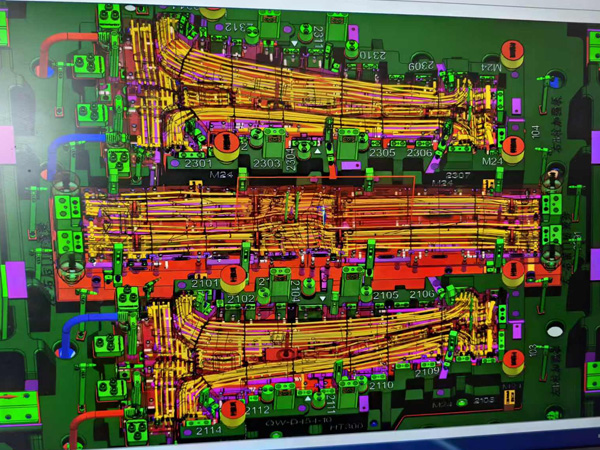
Forming simulation is now standard practice. It predicts thinning, splitting, wrinkling and springback before steel is cut, and it allows compensation to be built into the tool geometry. Simulation also supports process robustness studies: by varying friction, material properties and blank position, engineers can see how sensitive the process is to normal production variation. The most useful output is not a single successful run, but an understanding of how wide the workable process window is.
Step three: tooling structure
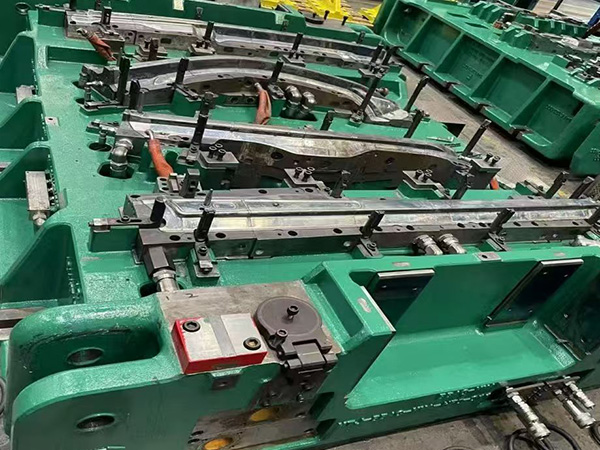
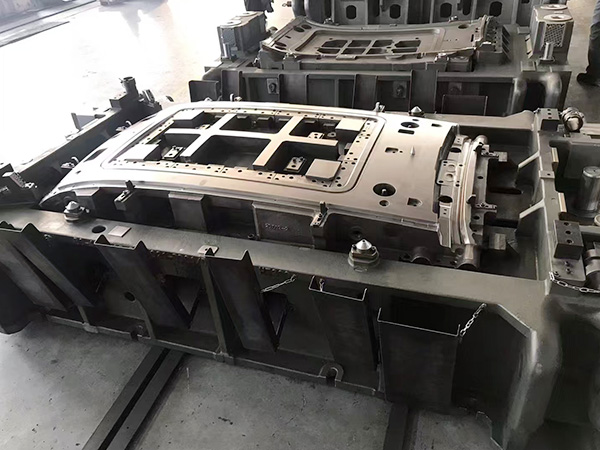
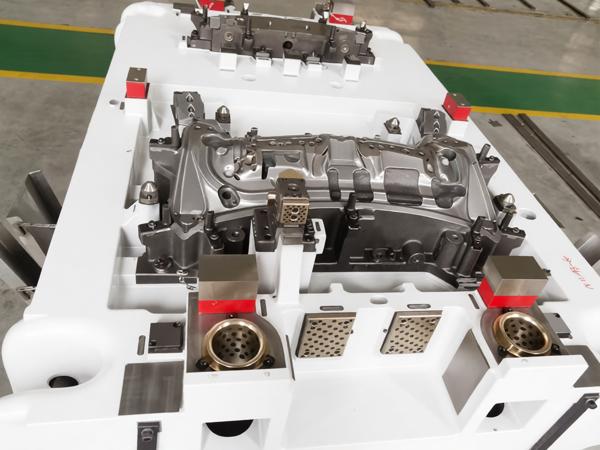
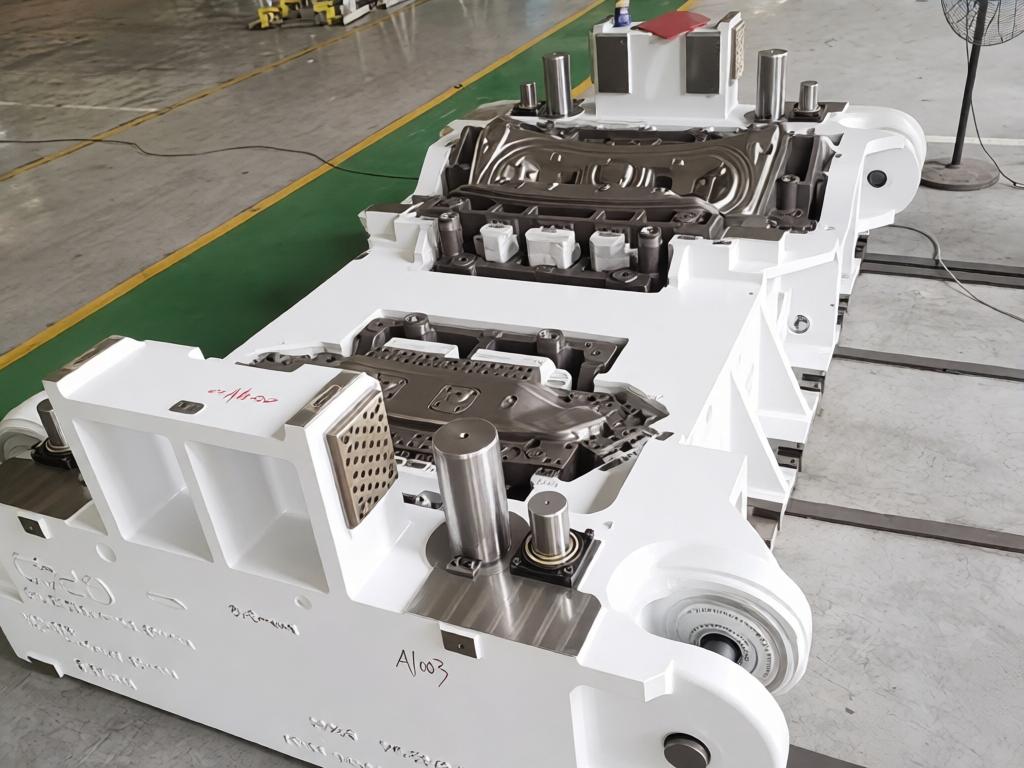
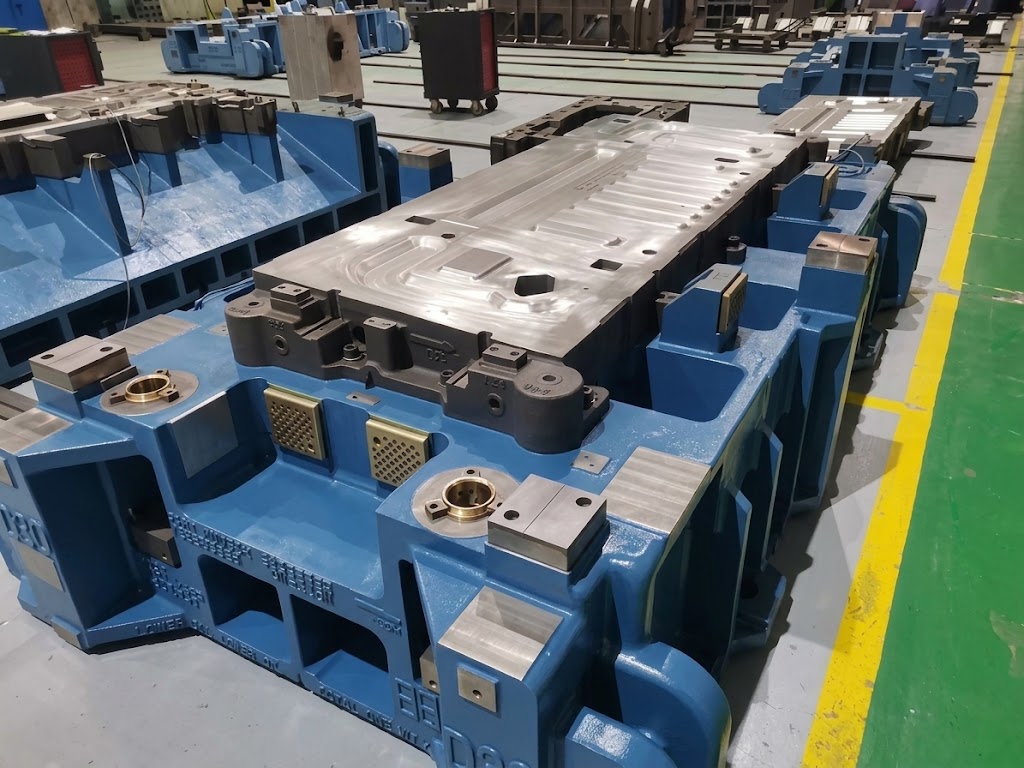
A stamping die is a mechanical system. The upper and lower shoes carry the working elements; pillars and bushings or heel blocks maintain alignment; pads and nitrogen or spring systems control material holding; cams perform side actions such as piercing or flanging at angles; and scrap chutes manage trimmed material. Structural design must account for the real loads of production, not only for static weight. Deflection under load changes clearances, and changed clearances change cut quality and dimensional results. Specifying adequate section thickness, reinforcing ribs and proper guiding is what keeps a tool accurate after millions of strokes.
Step four: material selection for die components
No single steel suits every component. Working elements are selected according to their specific duty:
Forming and drawing inserts need wear resistance and polishability, often with surface treatment to reduce galling.
Cutting and trimming sections need high hardness with sufficient toughness, so edges resist chipping under shock load.
Structural plates and shoes prioritise dimensional stability and machinability.
Wear components such as wear plates, guides and heel blocks use materials and lubricating inserts matched to sliding speed and load.
Heat treatment quality is as important as grade selection. Controlled hardening, tempering and stress relieving protect dimensional stability, and documented hardness verification gives an auditable record that the tool was built as designed.
Step five: manufacturing, assembly and tryout
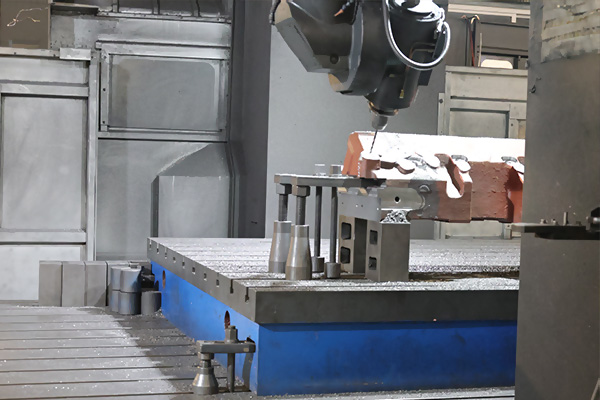
Modern die manufacturing combines CNC machining of cast or fabricated bodies, high-precision machining of working surfaces, and manual fitting by experienced toolmakers. Accuracy is verified on the machine and again during assembly, with particular attention to clearances, shut heights and pad travel. Tryout then converts a built tool into a productive process: blank and lubrication settings are tuned, pressures are adjusted, and trial parts are measured and scanned. Iteration continues until dimensional and surface results are consistent, not merely acceptable once.
Choosing a stamping die supplier
Technical depth is the real differentiator. Suppliers with in-house process simulation, machining, assembly and tryout capacity can close the loop between design intent and production reality far faster than those who outsource key steps. Ask how process windows are documented, how dimensional capability is demonstrated, and what maintenance and spare-part recommendations accompany delivery. An automotive stamping dies programme supported by complete process documentation is much easier to ramp up, transfer or service later, and that documentation is often worth more than a small difference in initial price.