

- Site Navigation -

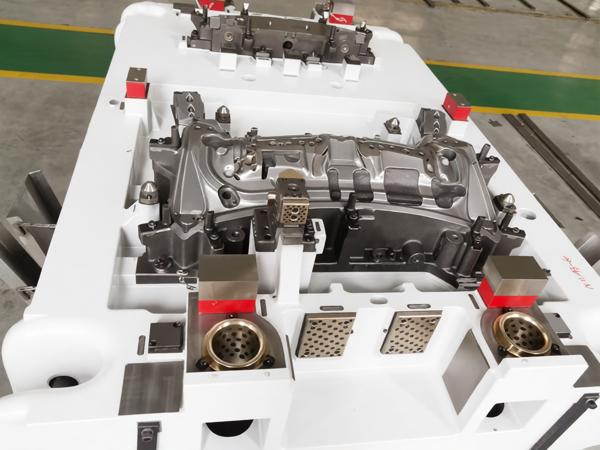
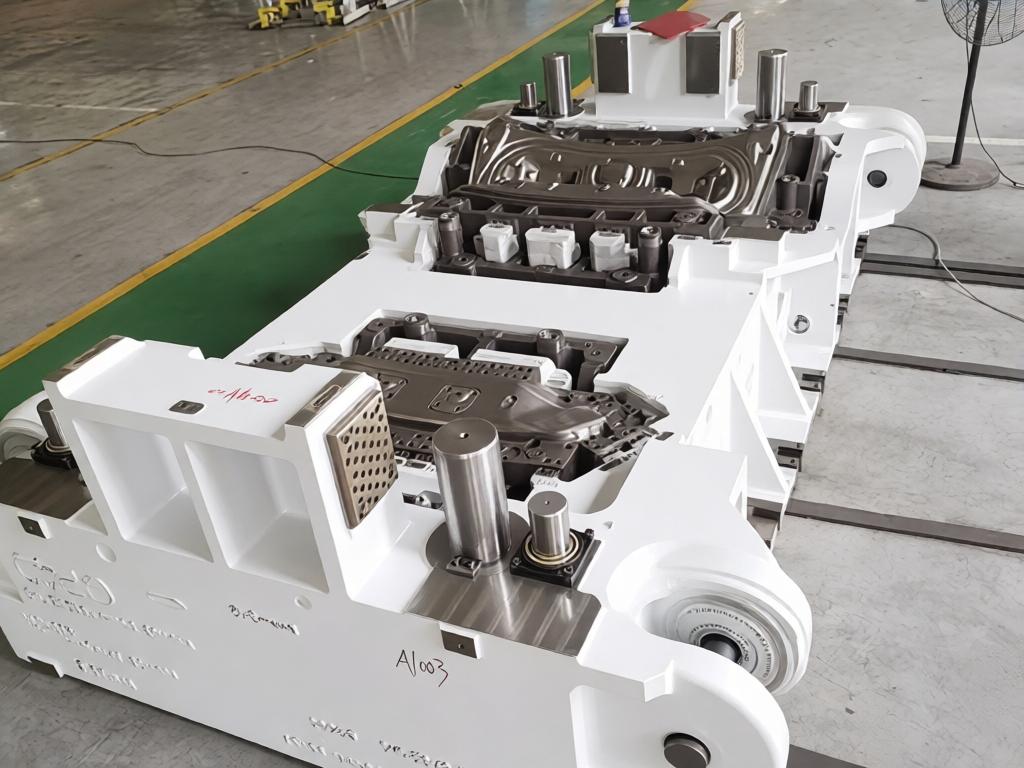
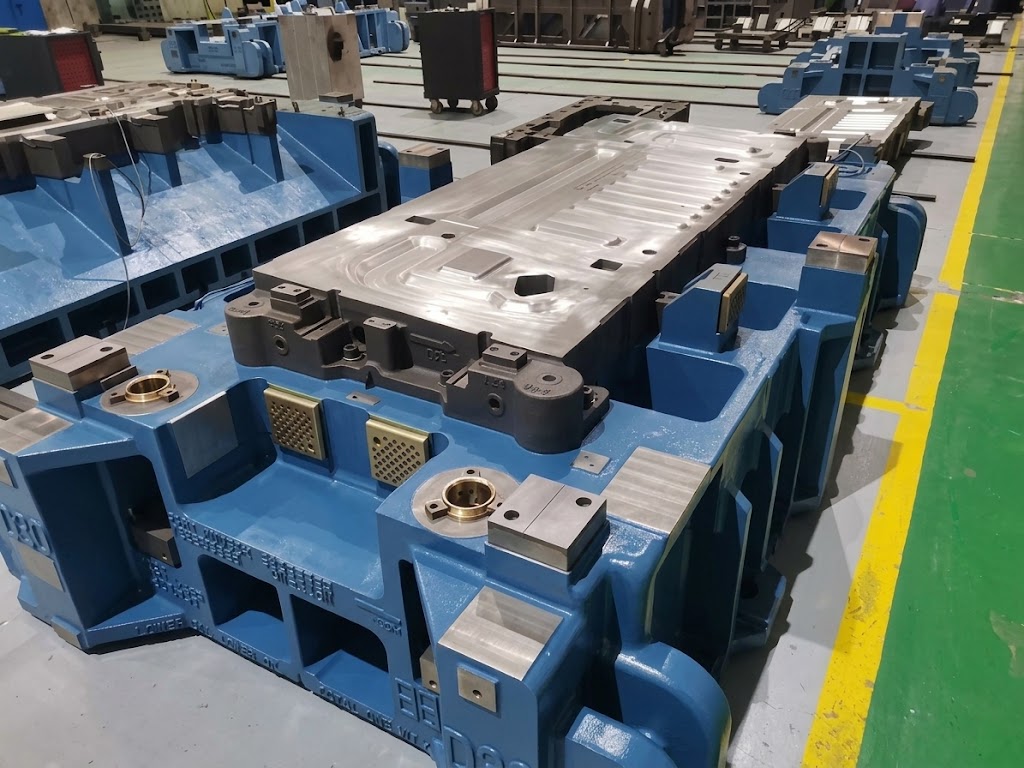
B-Pillar Reinforcement Stamping Die Design for Automotive Safety
Date: 2026-09-21 10:59:14 Author: Haoxinran Views: 66 times
B-Pillar Reinforcement Stamping Die Design for Automotive Safety
The B-pillar reinforcement represents a critical safety component in automotive body structure, designed to withstand side impact forces and maintain passenger compartment integrity. Stamping die design for this safety-critical component requires exceptional precision, material property control, and dimensional accuracy. This document explores the specialized design considerations essential for producing high-quality B-pillar reinforcement components.
Safety-Critical Design Requirements
1. Structural Performance Requirements
B-pillar reinforcements must meet stringent structural performance requirements including energy absorption capacity, intrusion resistance, and deformation control during side impact events. These performance requirements impose specific material property and geometric constraints that directly influence die design parameters. The component must achieve consistent mechanical properties across production volumes to ensure reliable safety performance.
2. Material Selection Considerations
Modern B-pillar reinforcements commonly use advanced high-strength steels (AHSS) or hot-stamped boron steels. Material selection directly impacts die design requirements:
Hot-stamped boron steel: Requires hot stamping dies with integrated cooling channels
Dual-phase steels: Offer good formability with high strength after forming
Trip steels: Provide excellent energy absorption characteristics
3. Dimensional Accuracy Requirements
As a structural component assembled with multiple mating parts, dimensional accuracy is critical. The die must maintain tight tolerances on flange dimensions, hole positions, and overall geometry to ensure proper fit and structural performance.
Hot Stamping Process Design
Cooling Channel Integration
For hot-stamped B-pillar reinforcements, cooling channel design within the die is critical. The channels must:
Provide uniform cooling across the entire component surface
Maintain controlled cooling rates for optimal material properties
Prevent uneven cooling that causes distortion or inconsistent properties
Ensure proper quenching for martensitic transformation
Die Material Selection
Hot stamping dies require specialized tool materials that withstand elevated temperatures and thermal cycling. H11 and H13 tool steels are commonly used due to their excellent hot hardness and thermal fatigue resistance. Die surface treatments further enhance durability and performance.
Cold Stamping Alternative Design
For cold-stamped B-pillar reinforcements, die design focuses on material flow control and springback compensation. Key design features include:
Optimized draw radii for high-strength material forming
Variable blank holder force control
Multi-stage forming operations for complex geometries
Springback compensation strategies
Quality Assurance
B-pillar reinforcement quality assurance includes comprehensive testing protocols:
Dimensional inspection with coordinate measuring machines
Material property verification (hardness, tensile strength)
Microstructure analysis for hot-stamped components
Mechanical performance testing validation
Conclusion
B-pillar reinforcement stamping die design requires deep understanding of material behavior, structural performance requirements, and precision manufacturing processes. Whether using hot stamping or cold stamping technology, the die must achieve consistent quality and dimensional accuracy to ensure the safety performance of this critical automotive component.
References
Automotive Safety Component Stamping Guidelines - Industry Standards
Hot Stamping Die Design Technology - Engineering Research Publications
Advanced High-Strength Steel Forming - Material Science Research
Side Impact Structural Component Design - Automotive Safety Standards

Contact Us
- Company Name: Hebei Haoxinran Machinery Manufacturing Co.,Ltd.
- Hotline: +86 18932785670
- Email: project@haoranmj.com
- Website: https://www.hxrmetal.com
- Address: Across from Sanjing Distillery on Road 4, Botou Economic Development Zone, Cangzhou City, Hebei Province


Copyright © 2026-2027 https://www.hxrmetal.com. All Rights Reserved. Hebei Haoxinran Machinery Manufacturing Co.,Ltd.