

- Site Navigation -

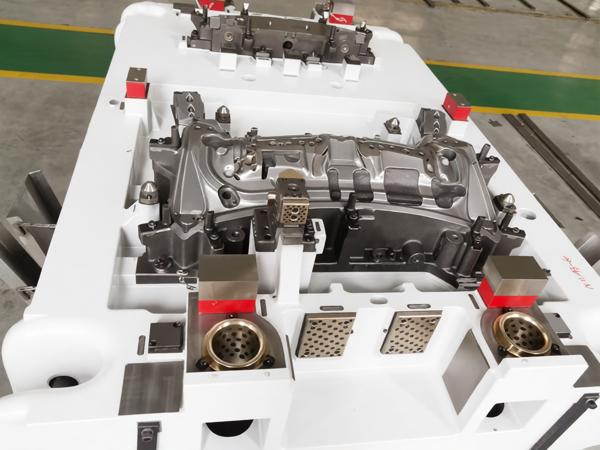
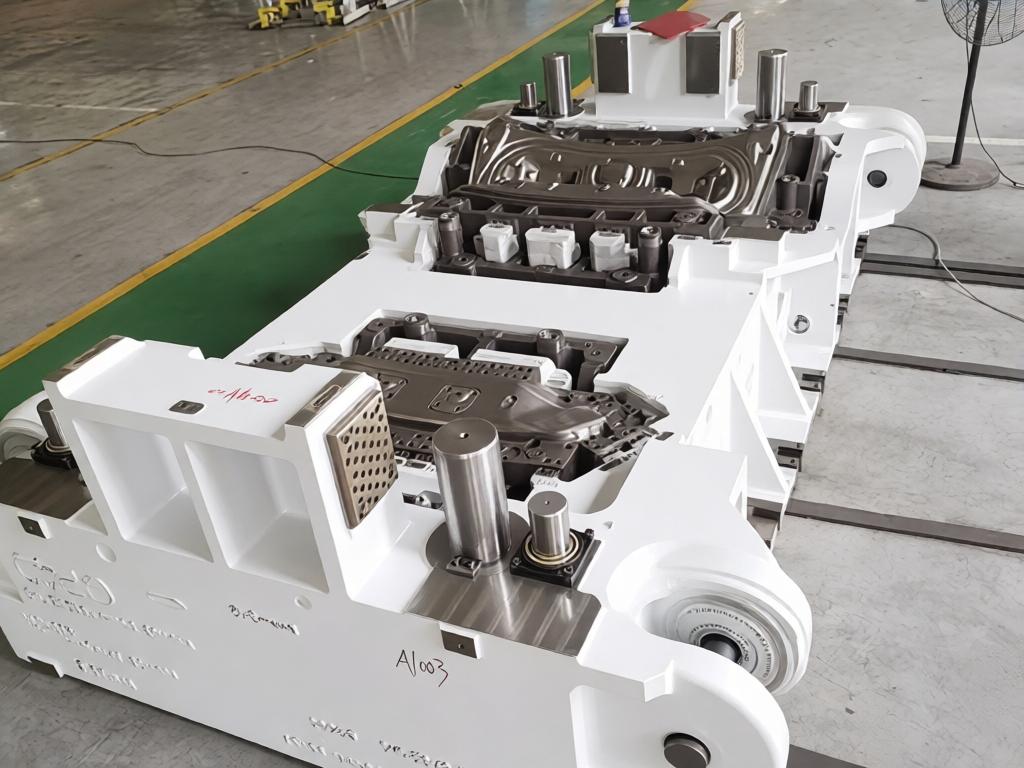
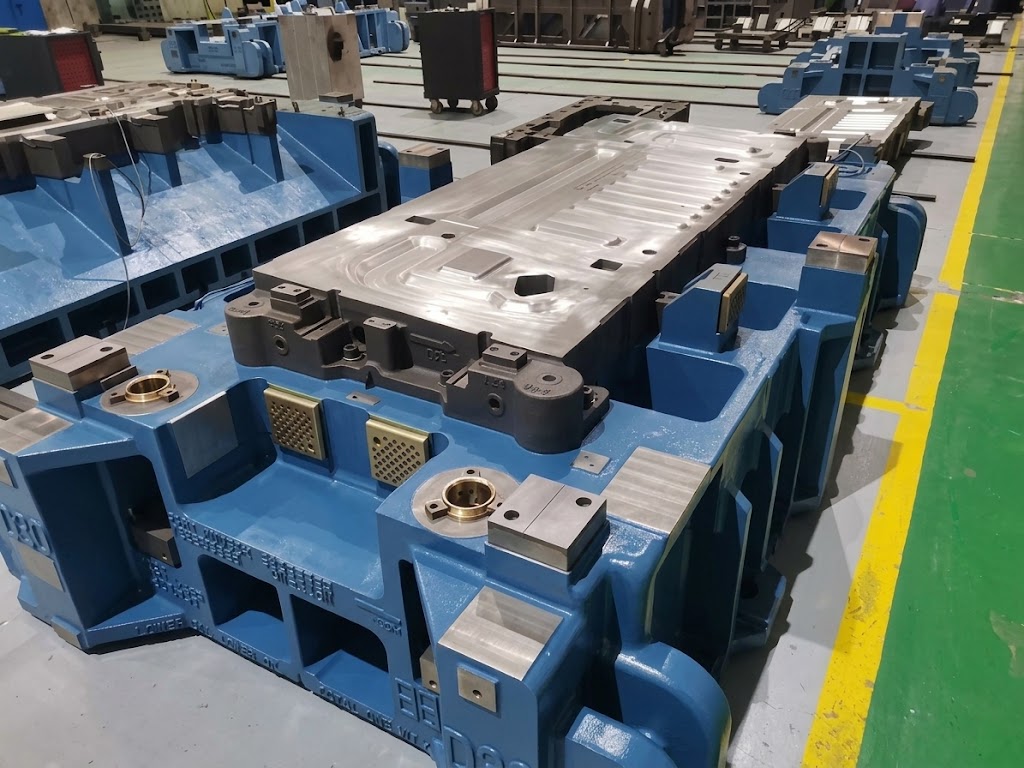
Roof Panel Stamping Die Design and Surface Quality Control
Date: 2026-09-21 10:59:17 Author: Haoxinran Views: 154 times
Roof Panel Stamping Die Design and Surface Quality Control
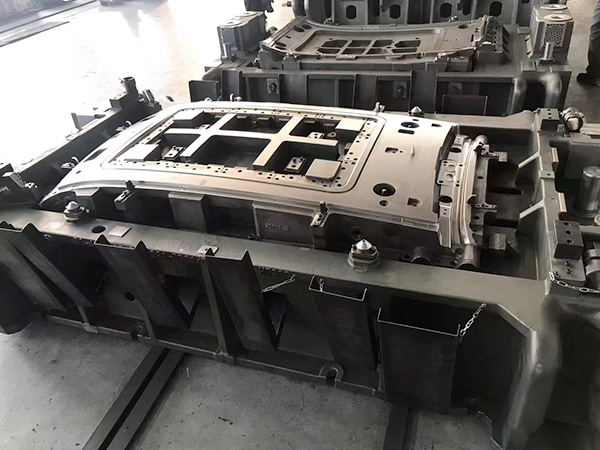
Roof panel stamping die design demands exceptional attention to surface quality and dimensional consistency due to the large visible surface area and critical aesthetic requirements. The automotive roof represents one of the most expansive exterior panels, making surface uniformity and geometric precision paramount. This document details the specialized design principles and quality control measures essential for producing high-quality roof panels.
Roof Panel Design Challenges
1. Large Surface Area Uniformity
The extensive surface area of automotive roofs creates unique material flow challenges. Maintaining consistent material thickness and surface quality across such a large expanse requires precise control of the stamping process. Material flow variations can lead to surface distortion, thickness inconsistency, and visual defects that become highly visible under natural lighting conditions.
2. Surface Quality Requirements
Roof panels must achieve premium surface quality standards as they represent one of the most visible exterior surfaces. Even minor surface imperfections become apparent when viewed from typical observation angles. The die design must incorporate features that promote uniform material deformation and minimize surface stress concentrations that cause visual defects.
3. Dimensional Consistency
Roof panel dimensional accuracy is critical for proper fit with adjacent components including side panels, windshield frame, and rear glass. Consistent curvature profiles and edge dimensions ensure proper assembly and uniform panel gaps across the vehicle.
Drawing Die Design Principles
Material Flow Optimization
Controlling material flow across the large roof surface requires carefully engineered die features:
Optimized draw bead placement that regulates material influx rates
Variable blank holder pressure distribution for uniform material stretching
Contoured draw surfaces that promote consistent material deformation
Strategic lubrication zones that manage friction and material flow
Surface Finish Considerations
The drawing die surface finish directly impacts the final panel quality. Die surfaces require careful polishing and texturing to achieve the desired surface appearance. Proper die surface treatment prevents material pickup and ensures consistent surface replication across production runs.
Surface Quality Control Measures
Preventing Surface Defects
Common roof panel defects include:
Surface distortion: Caused by uneven material stretching and flow
Sink marks: Occur at reinforcement features due to material thickness variations
Orange peel: Surface texture irregularities from material grain deformation
Scratches and scuffs: Result from material die friction and handling
Quality Inspection Protocols
Roof panel quality inspection involves comprehensive evaluation including visual inspection under controlled lighting conditions, dimensional measurement with coordinate measuring machines, and tactile surface quality assessment. Production monitoring tracks surface consistency across production batches.
Process Optimization Strategies
Roof panel stamping benefits from advanced process optimization techniques including CAE simulation that predicts material flow patterns and identifies potential defect areas. Process parameter optimization fine-tunes blank holder forces, draw bead settings, and lubrication strategies to achieve optimal results.
Conclusion
Successful roof panel stamping die design requires expertise in large surface forming technology, material flow management, and surface quality control. By applying optimized die design principles and comprehensive quality control measures, manufacturers can deliver roof panels that meet the demanding aesthetic and functional requirements of modern automotive production.
References
Automotive Roof Panel Stamping Guidelines - Manufacturing Standards
Large Surface Forming Technology - Engineering Research Publications
Surface Quality Control for Exterior Panels - Quality Engineering Standards
Material Flow Optimization in Deep Drawing - Manufacturing Technology Research

Contact Us
- Company Name: Hebei Haoxinran Machinery Manufacturing Co.,Ltd.
- Hotline: +86 18932785670
- Email: project@haoranmj.com
- Website: https://www.hxrmetal.com
- Address: Across from Sanjing Distillery on Road 4, Botou Economic Development Zone, Cangzhou City, Hebei Province


Copyright © 2026-2027 https://www.hxrmetal.com. All Rights Reserved. Hebei Haoxinran Machinery Manufacturing Co.,Ltd.