

- Site Navigation -

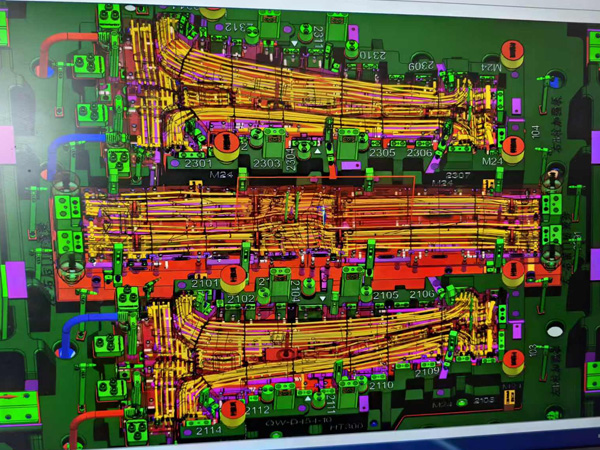
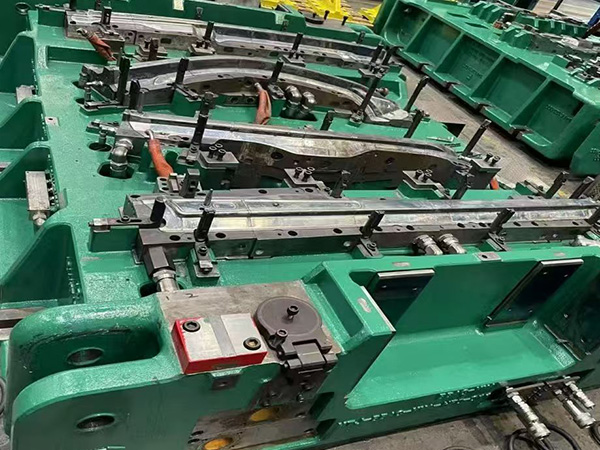
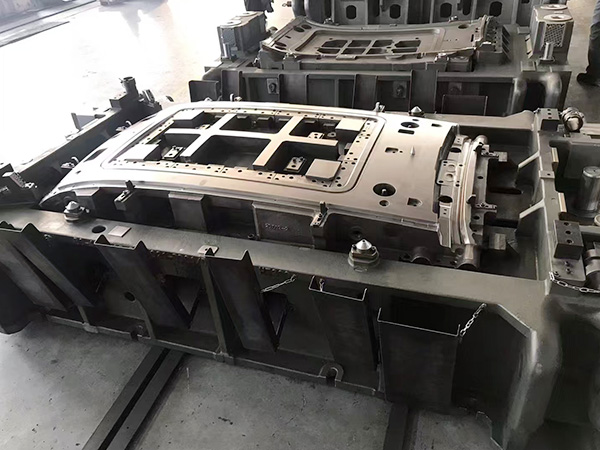
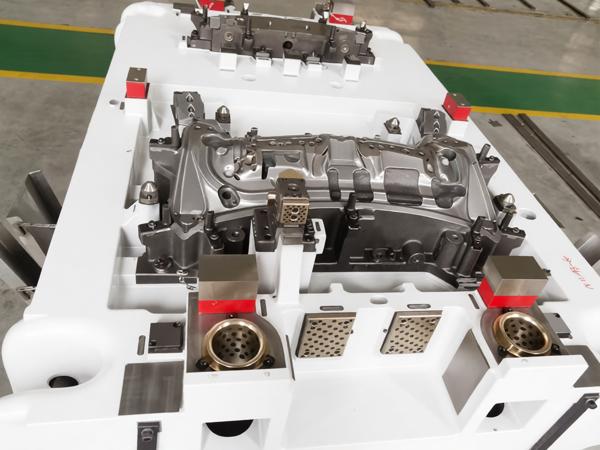
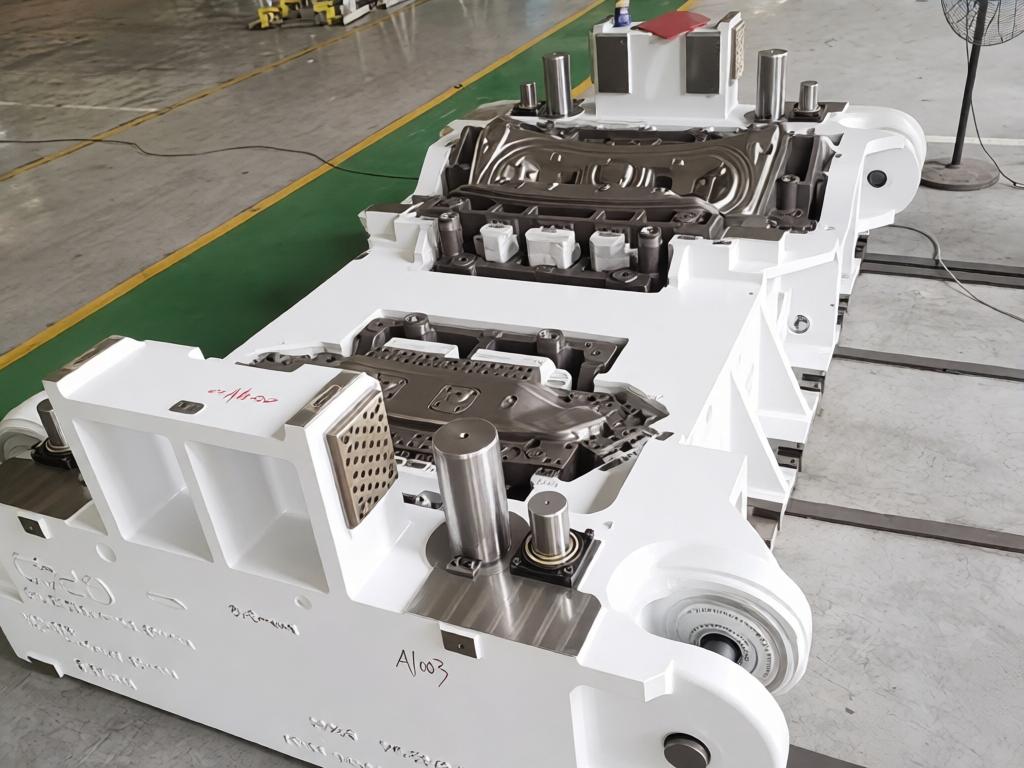
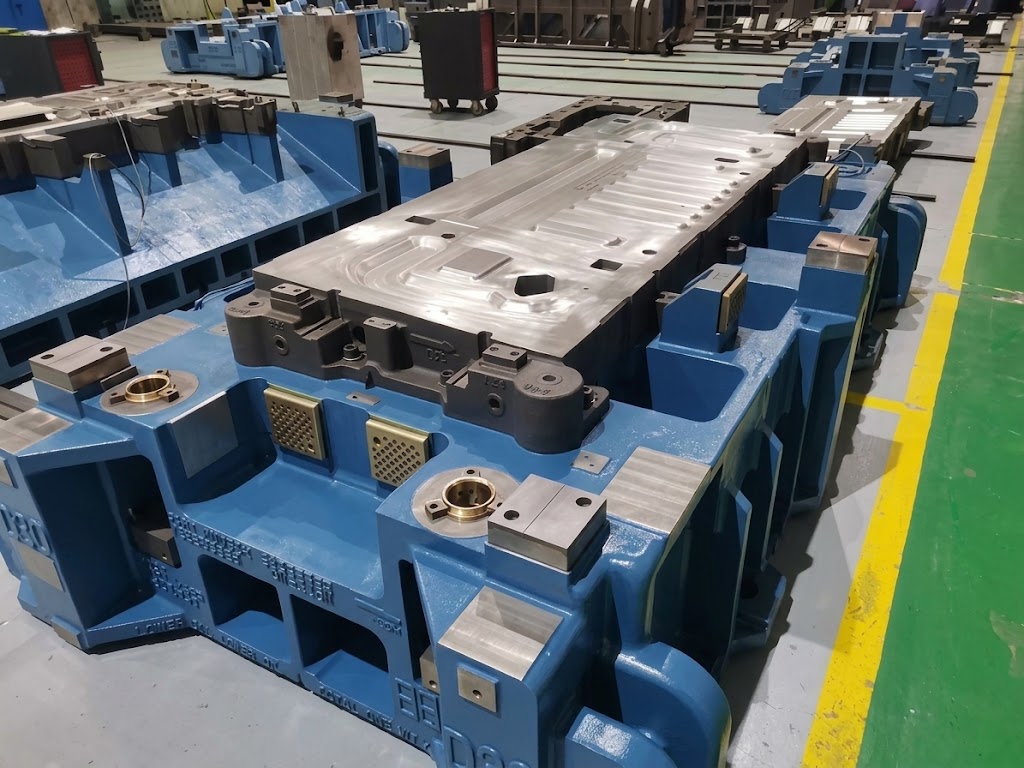
Cold Stamping Body Side Panel Die Design: Shape, Surface, and Springback
Date: 2026-10-15 09:36:54 Author: Haoxinran Views: 156 times
The body side panel is one of the largest and most demanding parts a stamping die makes. It is a visible closure surface, so any defect shows, and it is large, so material flow and springback are hard to control. At Haoxinran our automotive cold stamping dies series includes body side tooling, and the design logic is a study in balancing shape, surface, and tolerance.
The Body Side as a Hard Part to Make
A body side outer is a long panel with shallow curves, sharp character lines, and tight tolerances at every flange. It must look perfect and still locate precisely in the body. The inner, by contrast, carries structure and reinforcements. Both test the die in different ways: the outer tests surface quality, the inner tests formability of deeper draws.
Draw Die Strategy
The draw die sets the surface and the shape in the first operation, so it gets the most attention. A well-designed binder and draw bead layout controls how the sheet stretches into the cavity without wrinkling or splitting. For a long panel the draw beads are tuned section by section because the metal does not flow evenly along the length. Getting this right on paper saves weeks of tryout.
Controlling Surface Defects
Class-A surfaces tolerate no marks. The die faces are polished to a high finish and the radii are blended by hand so no tooling line prints through. Oil distribution and blank cleanliness matter as much as geometry; a speck of debris becomes a visible dent. We treat the draw surface as the product surface, because for the outer panel it literally is.
Springback Management
After the load leaves, the panel wants to relax. On a large panel the relaxation is uneven, so the die over-forms some areas and adds counter-curvature where needed. Measuring springback on trial parts and feeding it back into the die is normal. For the outer, even a millimeter of edge variation shows in panel fit, so the control is tighter than for hidden parts.
Trim and Flange Sequence
Once drawn, the panel is trimmed to outline and flanged at the edges that meet adjacent panels. The trim must hold the shape set by the draw, so the trim die references the same datums. Flange cam stations reach the edges the press axis cannot, and their timing affects both edge quality and dimensional stability.
Dimensional Validation
Validation uses a coordinate measuring machine to check the panel against the math data, focusing on the locating points and the flush and gap edges that the customer sees. Because the panel is large and flexible, fixturing for measurement is part of the method, not an afterthought. Only when the measured points sit inside tolerance does the die ship.
Practical Tips
Build the draw die first and prove the surface before committing the trim and flange. Keep the blank specification tight, since variation in the coil shows up as scatter in the panel. And plan tryout time honestly; body side panels rarely pass first time, and the die that pretends otherwise costs more later.
Material and Blank Specification
The panel is only as good as the coil it is stamped from. Grade, thickness, and surface finish of the blank set the window the die must work within, and variation outside that window shows up as split or wrinkle scatter that no die tune fully fixes. We ask for a tight blank spec and verify incoming coils, because chasing a die for a problem that lives in the material is a losing game from the start. Lubricant type and amount also belong in the spec, since they change how the sheet flows and how the surface finishes, and a mismatch there prints straight through to the visible class-A face that the customer sees.
Common Failure Modes
When a body side panel goes wrong, the causes cluster. Wrinkles near a weak binder, splits at a tight radius, and springback at the edges are the usual suspects. Each points to a specific die adjustment: more binder here, a softer radius there, a counter-curve elsewhere. Less common but costly are tooling-line marks from a poorly blended radius, which print through to the visible surface and cannot be polished out later. Catching these in tryout, with the panel measured and sectioned, is far cheaper than discovering them after the die ships and the line is already waiting on the floor.
References
SAE International, Surface Quality Control in Automotive Outer Panels
Precision Metalforming Association, Draw Die Design for Large Panels
Journal of Manufacturing Processes, Springback in Automotive Body Side Stamping
International Organization for Standardization, ISO 9001 Quality Management in Tooling

Contact Us
- Company Name: Hebei Haoxinran Machinery Manufacturing Co.,Ltd.
- Hotline: +86 18932785670
- Email: project@haoranmj.com
- Website: https://www.hxrmetals.com
- Address: Across from Sanjing Distillery on Road 4, Botou Economic Development Zone, Cangzhou City, Hebei Province


Copyright © 2026-2027 https://www.hxrmetals.com. All Rights Reserved. Hebei Haoxinran Machinery Manufacturing Co.,Ltd.