

- Site Navigation -

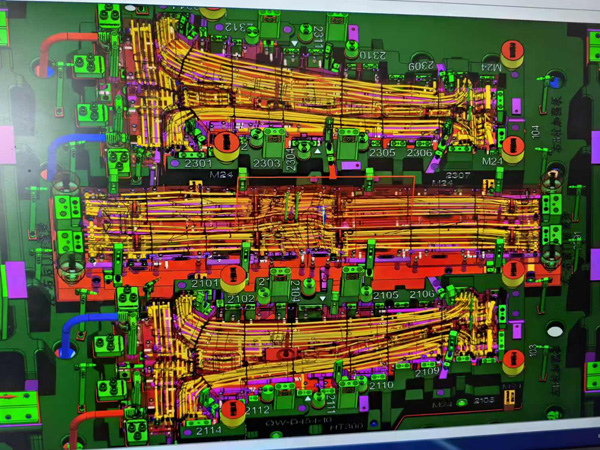
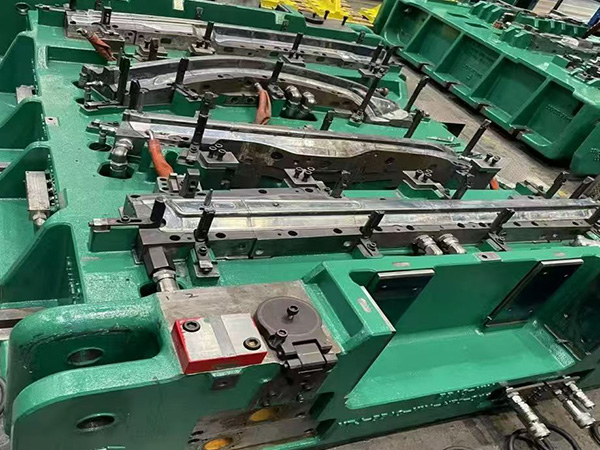
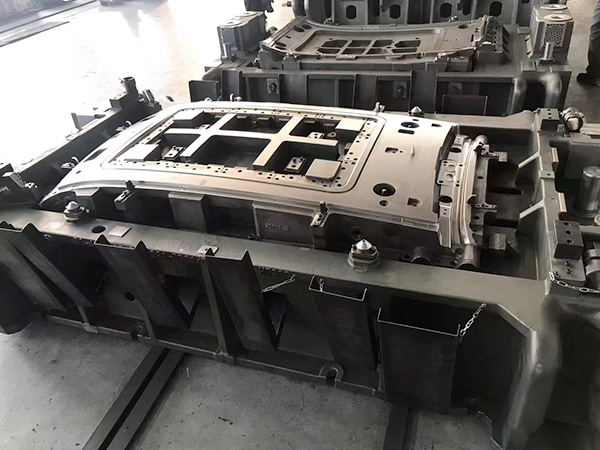
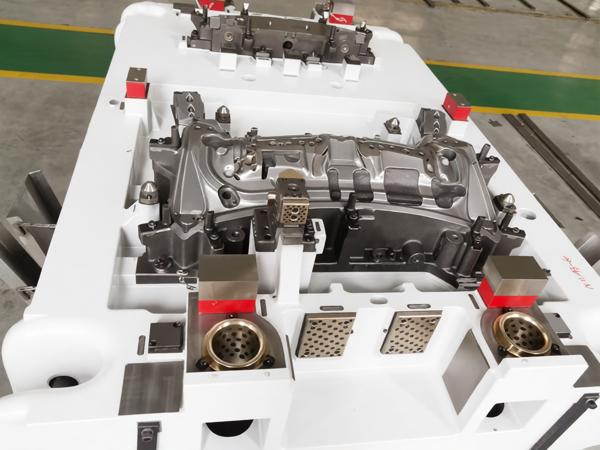
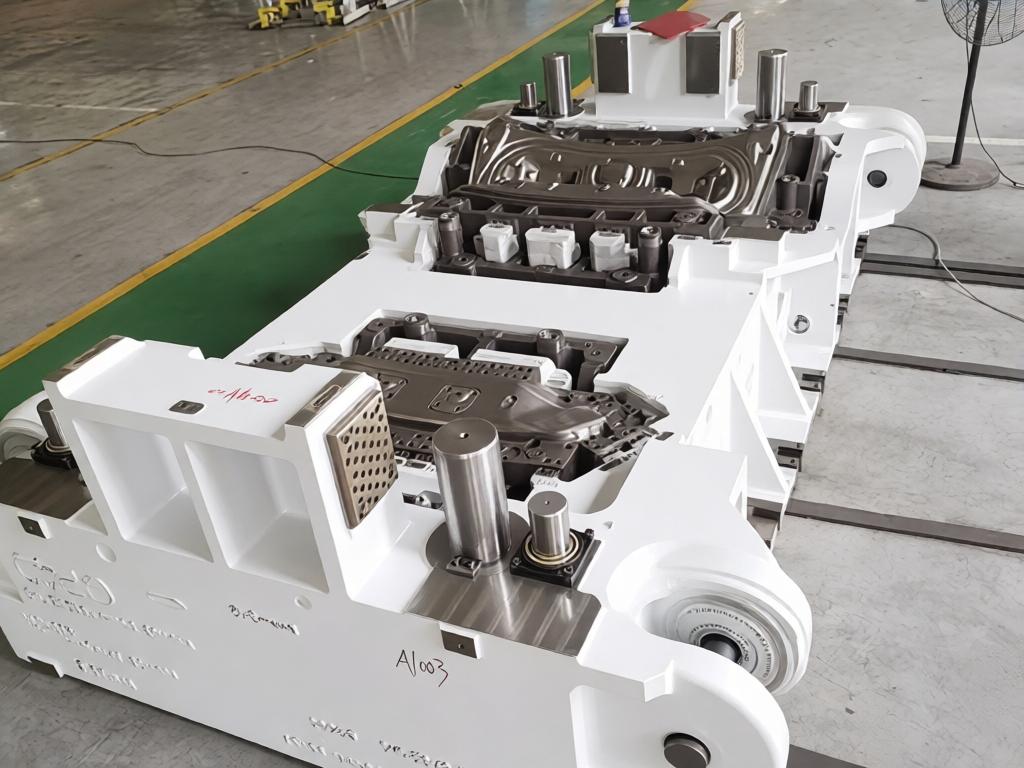
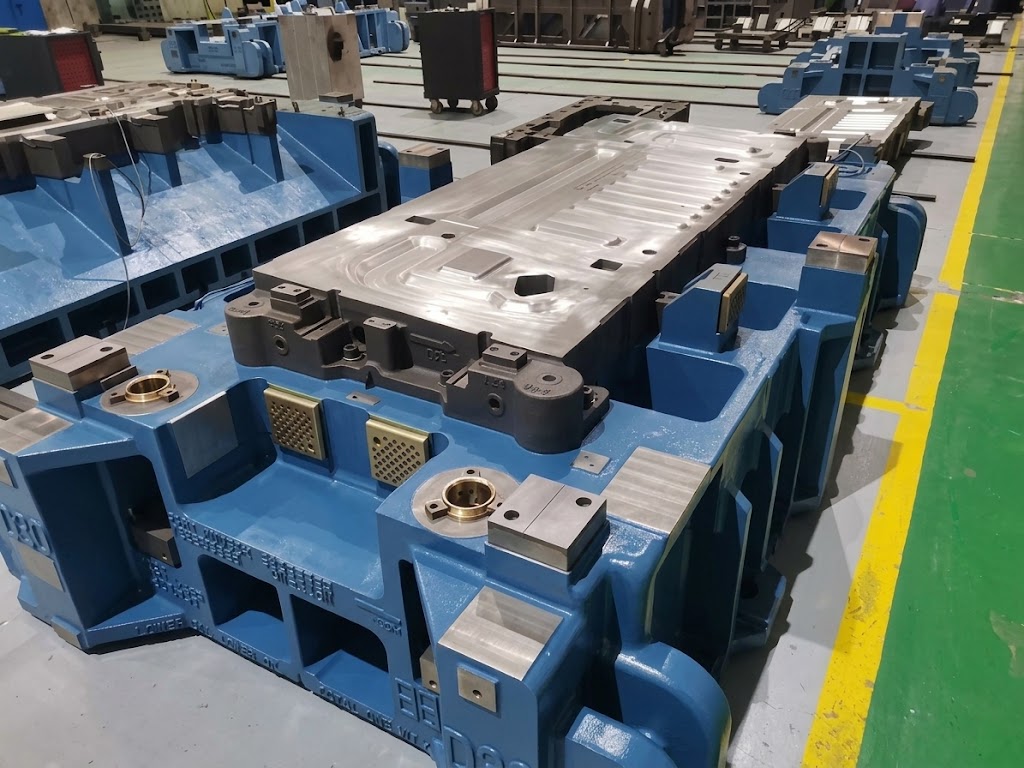
Engine Hood Stamping Die Design Geometry and Springback Compensation
Date: 2026-09-21 10:59:24 Author: Haoxinran Views: 119 times
Introduction to Engine Hood Stamping Die Design
The engine hood, also known as the bonnet, is one of the most visible exterior panels on an automobile. Its stamping die design requires meticulous attention to geometry, surface quality, and dimensional accuracy. This technical document provides a comprehensive overview of engine hood stamping die design principles, focusing on geometry optimization, springback compensation, and surface quality enhancement techniques that are essential for producing high-quality automotive body panels.
Key Design Considerations
1. Geometry Optimization
Engine hood geometry significantly impacts both aerodynamic performance and manufacturing feasibility. The design must incorporate proper draw radii, draft angles, and feature transitions that facilitate material flow during stamping. Key geometric parameters include the outer panel curvature, inner panel reinforcement patterns, hinge mounting locations, and latch mechanism integration points. Each of these features must be carefully optimized to prevent material thinning, cracking, or wrinkling during the stamping process.
2. Material Selection
Typical materials for engine hood stamping include cold-rolled steel sheets with tensile strengths ranging from 180 MPa to 340 MPa, and aluminum alloys such as 6016-T4 for weight reduction applications. Material selection directly influences die design parameters including blank holder force, draw bead geometry, and lubrication requirements. For aluminum panels, deeper draw radii and more generous draft angles are required compared to steel to prevent surface defects.
3. Springback Compensation
Springback is a critical challenge in engine hood stamping, particularly for high-strength steel and aluminum materials. After forming, elastic recovery causes the panel to deviate from the intended geometry, potentially leading to fit and finish issues. Effective springback compensation strategies include over-bending techniques, variable blank holder force control, and geometric compensation in the die design phase. CAE simulation tools are extensively used to predict springback behavior before physical die construction begins.
Stamping Process Flow
The engine hood stamping process typically involves four main operations: drawing, trimming, flanging, and piercing. Each operation requires dedicated die sets with carefully designed features:
Drawing Operation: Establishes the basic panel geometry and surface finish. The draw die incorporates draw beads, blank holder surfaces, and draw radii that control material flow and prevent defects.
Trimming Operation: Removes excess material from the panel periphery. Trimming die design requires precise shear angles, blade clearance, and support surfaces to ensure clean, burr-free cuts.
Flanging Operation: Creates flange surfaces that facilitate assembly with mating components. Flange die design must account for springback compensation and edge stretching to maintain dimensional accuracy.
Piercing Operation: Creates mounting holes and openings for hinges, latches, and accessories. Piercing die design ensures proper hole positioning, burr control, and slug evacuation.
Surface Quality Control
Engine hood surface quality is paramount for automotive exterior panels. Common surface defects include distortion, sink marks, surface roughness, and orange peel effect. Preventive measures include:
Optimizing draw die surface finish and material texture
Implementing proper lubrication strategies to reduce friction-induced defects
Controlling material flow through strategically placed draw beads
Regular die maintenance and polishing to prevent build-up on die surfaces
Conclusion
Engine hood stamping die design is a complex engineering discipline that requires integration of material science, manufacturing process knowledge, and precision tooling design. Successful die design achieves the balance between geometric accuracy, surface quality, and production efficiency while controlling manufacturing costs. By applying the principles outlined in this document, stamping die manufacturers can deliver high-quality engine hood dies that meet the stringent requirements of automotive production environments.
References
Automotive Stamping Die Design Guidelines - Industry Technical Standards
Springback Prediction and Compensation in Sheet Metal Forming - Engineering Research Papers
Material Flow Analysis in Deep Drawing Processes - Manufacturing Technology Publications
Surface Defect Prevention in Automotive Panel Stamping - Quality Control Standards

Contact Us
- Company Name: Hebei Haoxinran Machinery Manufacturing Co.,Ltd.
- Hotline: +86 18932785670
- Email: project@haoranmj.com
- Website: https://www.hxrmetal.com
- Address: Across from Sanjing Distillery on Road 4, Botou Economic Development Zone, Cangzhou City, Hebei Province


Copyright © 2026-2027 https://www.hxrmetal.com. All Rights Reserved. Hebei Haoxinran Machinery Manufacturing Co.,Ltd.