

Stamping Die Trim Steel Material Selection: Picking the Right Grade for the Cut
Date: 2026-10-29 11:05:03 Author: Haoxinran Views: 163 times
The trim steel in a stamping die is the part that actually cuts the sheet. It sees the most abuse of anything in the tool, and getting the grade wrong shortens die life from millions of hits to a frustrating few. At Haoxinran we specify trim steels for a range of automotive dies, and the selection is a balance of wear resistance, toughness, and how easy the material is to machine and heat treat.
The Job of Trim Steel in a Die
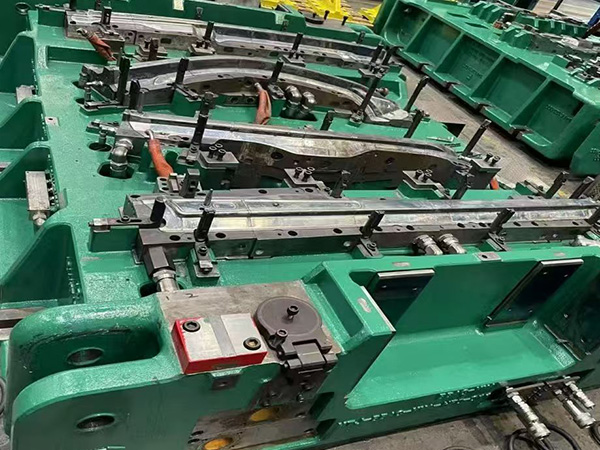
Trim and pierce sections shear the sheet along a sharp edge. Every hit loads that edge in bending and compression while rubbing against the cut surface. The edge either stays sharp or it rolls, chips, or mushrooms. Once it changes shape the part edge quality drops and the load climbs, which accelerates wear. The grade choice sets the ceiling on how long the edge holds.
Common Tool Steel Grades
High-carbon high-chromium steels are the workhorses. One widely used grade offers around 60 HRC after treatment with good wear resistance, though it can be brittle if not stress relieved. A tougher alternative trades a little hardness for resistance to chipping, which suits sections that see shock loads. For the most demanding trim of high-strength steel, powder metallurgy grades give a finer, more uniform carbide structure and noticeably longer life, at a higher cost.
Hardness Versus Toughness
There is no free lunch. Maximum hardness wins on wear but loses on chipping; maximum toughness wins on shock but loses on edge retention. The part geometry decides the mix. A long, straight trim of mild steel can run hard; a tight, interrupted pierce near a radius wants more toughness. We often run different grades in the same die for exactly this reason.
Powder Metallurgy Options
Powder metallurgy tool steels changed the calculus for severe applications. Because the carbides are small and evenly spread, the steel wears slowly and machines more predictably than its cast equivalent. For trimming ultra-high-strength steel, where the cut resists and heats, these grades pay back their premium through fewer shutdowns for insert changes.
Heat Treatment Basics
Trim steel is only as good as its heat treatment. Uniform through-hardening, followed by at least one stress-relief, prevents the hidden cracks that fail on the press. Surface treatments can add a layer on top, but the bulk hardness sets the foundation. We treat heat treatment records as part of the die's quality file, not paperwork.
Matching Grade to Production Volume
Low-volume programs rarely justify the premium grades; a standard high-chromium steel is enough. High-volume closures and structural parts, where downtime costs more than the insert, earn the powder metallurgy upgrade. The right answer is a life-cost calculation, not a default to the hardest option.
Maintenance Practices
Even the best trim steel needs care. Regular inspection of the cutting edge, timely sharpening before damage spreads, and correct clearance setting between punch and die extend life more than any exotic grade. We brief customers on clearance and lube because a mis-set die wastes good steel faster than wear ever could.
Machinability and Lead Time
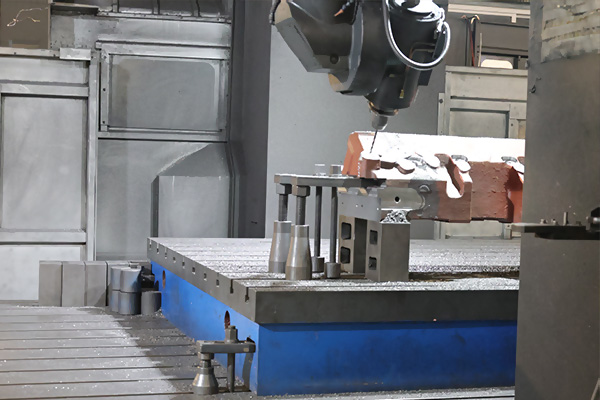
The grade also affects how the die is made. High-chromium steels machine more slowly and need rigid setups to avoid chatter on the finish, while powder metallurgy grades, though costlier, often machine more predictably because their structure is uniform. Lead time for a premium insert can be weeks longer than for a standard one, which matters when a die sits on a critical path. We weigh that against the downtime a worn edge would cause, because the cheapest insert that stops the line is the most expensive choice by the time Friday arrives, and the lost output rarely shows up in the tooling budget where the decision was made.
Knowing When to Re-Edge
Trim edges signal wear before they fail. A slight increase in cut force, a rougher edge finish, or burrs on the part are early tells. Re-sharpening at that point restores the edge cheaply; waiting until it chips means replacing the insert. A simple log of hit count against edge condition builds a realistic service interval, which turns die maintenance from a crisis into a schedule. That discipline, more than any single grade, is what keeps a stamping line running, because consistent edges are what keep part quality consistent from the first hit to the millionth.
References
ASM International, Tool Steels: Heat Treatment and Application
Precision Metalforming Association, Die Steel Selection for Stamping
Journal of Materials Processing Technology, Wear of Trim Steels in High-Strength Sheet Cutting
International Organization for Standardization, ISO 9001 Quality Management in Tooling